

Profesor SOAS London: Industrialisasi Dapat Dongkrak Aksi Iklim & Ekonomi
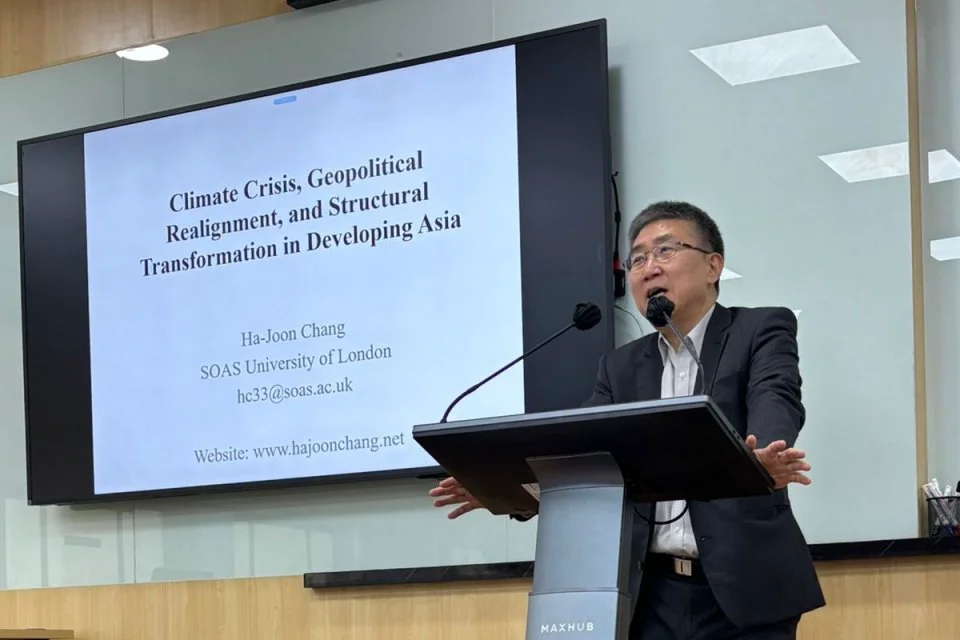
Ekonom Ha-Joon Chang menekankan bahwa industrialisasi hijau adalah kunci bagi Indonesia untuk mengatasi krisis iklim dan ketergantungan pada komoditas mentah. Sektor manufaktur yang kuat akan menciptakan lapangan kerja formal sekaligus mempercepat transisi menuju energi terbarukan yang kini semakin kompetitif. Source link: https://katadata.co.id/ekonomi-hijau/investasi-hijau/6901c79d9d440/profesor-soas-london-industrialisasi-dapat-dongkrak-aksi-iklim-ekonomi
Indonesia’s Coal Giants Are Losing Ground: Why the Time to Diversify Was Five Years Ago
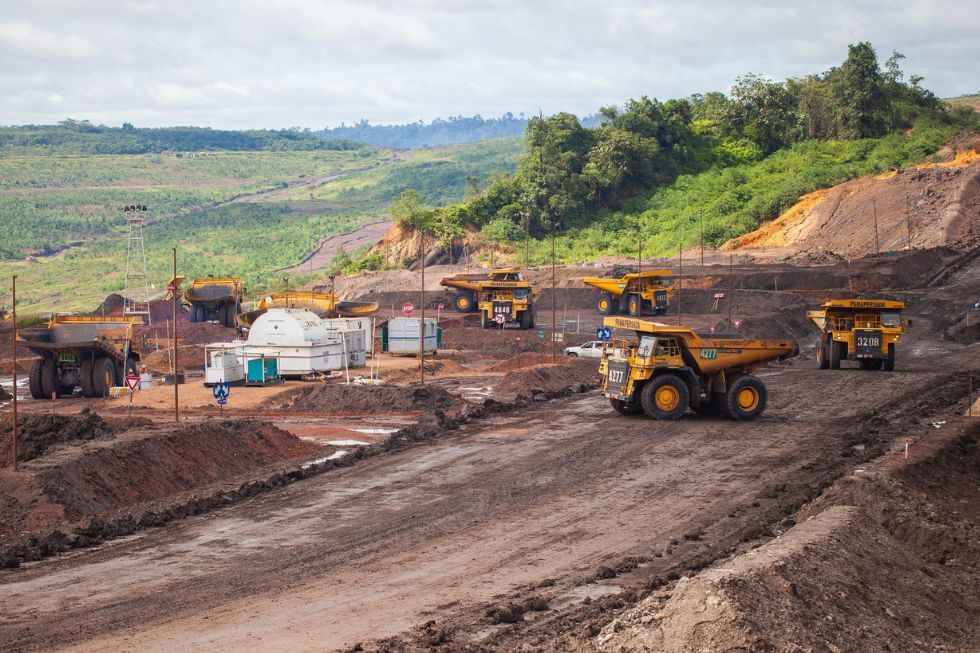
Falling demand from China and India, coupled with the rise of renewables, is squeezing profits for Indonesian coal firms. Despite blaming green energy, these companies are struggling with high costs and a lack of diversification. To survive, Indonesia must pivot its investments toward renewable energy now. Source: https://www.fairobserver.com/economics/indonesias-coal-giants-are-losing-ground-why-the-time-to-diversify-was-five-years-ago/
Wujudkan Asta Cita, Kemenperin Luncurkan Strategi Baru Industrialisasi Nasional
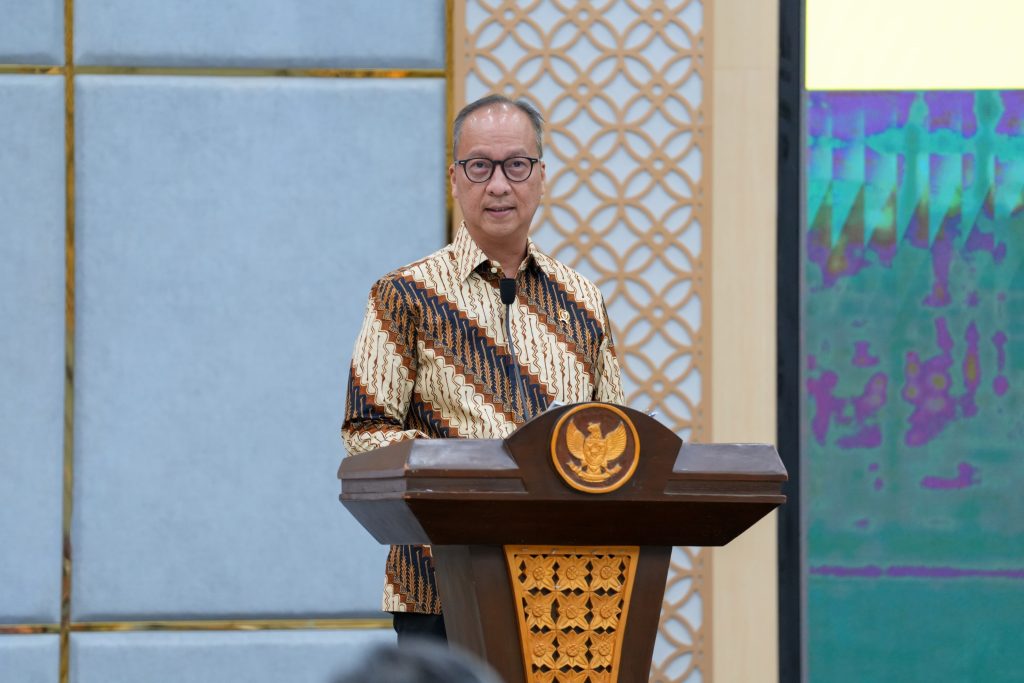
Kementerian Perindustrian meluncurkan Strategi Baru Industrialisasi Nasional (SBIN) sebagai panduan jangka panjang untuk mewujudkan visi Asta Cita Presiden Prabowo menuju Indonesia Emas 2045. Source link: https://kemenperin.go.id/artikel/72482329/Wujudkan-Asta-Cita,-Kemenperin-Luncurkan-Strategi-Baru-Industrialisasi-Nasional
Prabowo Target Bangun 100 GW PLTS, Insentif dan Dukungan Regulasi Jadi Kunci
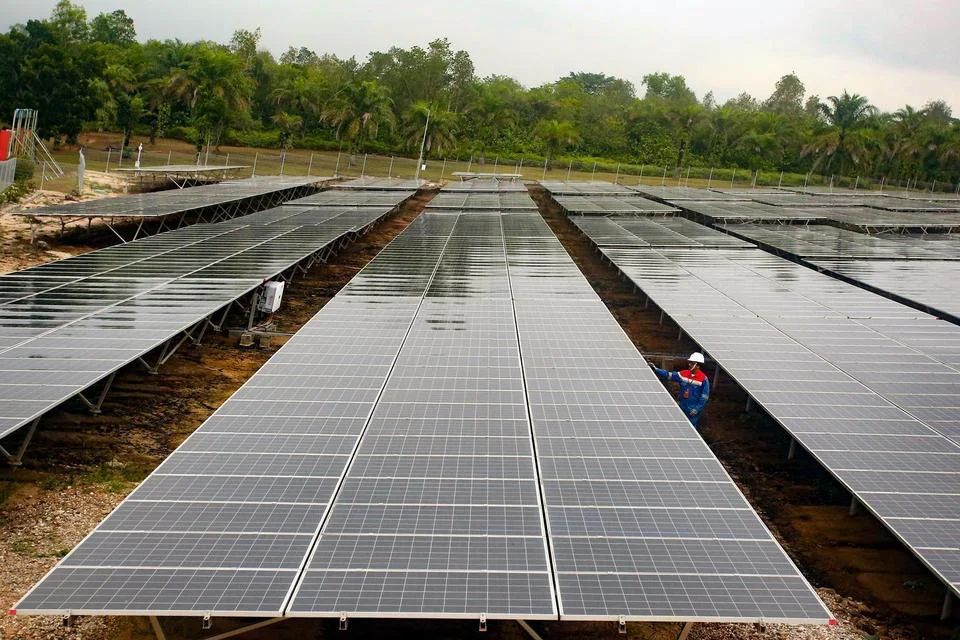
SUSTAIN menilai visi Presiden Prabowo untuk mencapai 100% energi terbarukan pada 2035 harus segera diwujudkan melalui lima langkah konkret dalam empat tahun ke depan. Source link: https://katadata.co.id/ekonomi-hijau/energi-baru/68f5ca33bad03/prabowo-targetkan-bangun-100-gw-plts-insentif-dan-dukungan-regulasi-jadi-kunci
What Two Decades of Data Reveal About China’s Industrial Policy
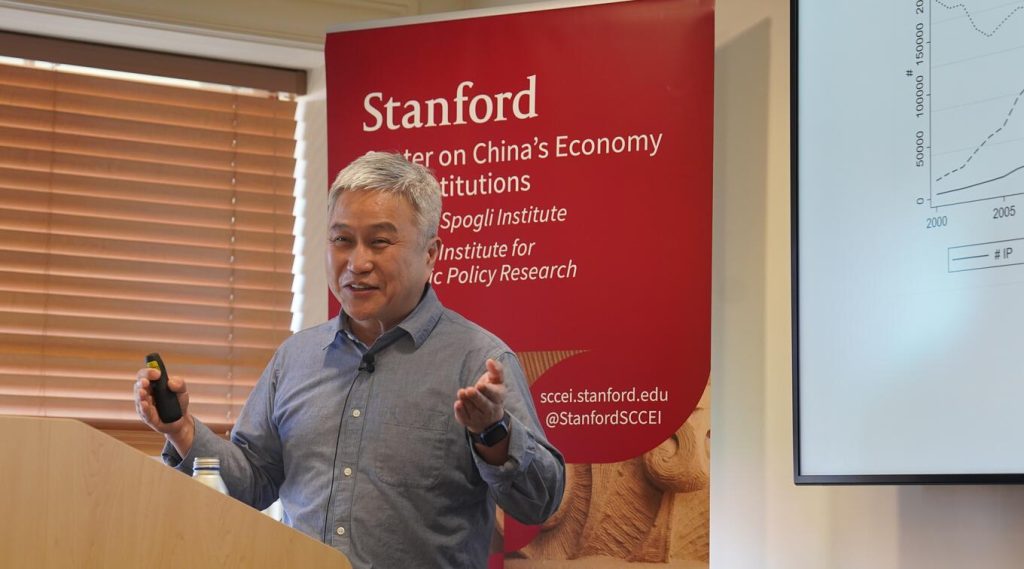
Economist Hanming Fang recently presented Decoding China’s Industrial Policies, a comprehensive study analyzing 20 years of data. Using LLMs to process nearly 3 million documents, Fang and his coauthors created one of the most detailed databases of Chinese industrial policymaking to date. Source link: https://sccei.fsi.stanford.edu/news/what-two-decades-data-reveal-about-chinas-industrial-policy
Gelar Deklarasi, SPIBE KIBA Lanjutkan Perjuangan Menuntut Pembayaran Hak ke PT Huadi
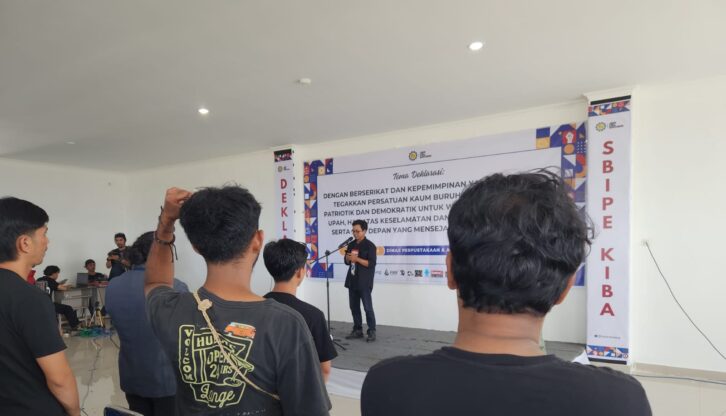
SBIPE KIBA resmi mendeklarasikan pembentukannya di Kabupaten Bantaeng sebagai wadah perjuangan bagi 500 buruh industri nikel. Organisasi ini mendesak PT Huadi Nickel Alloy Indonesia untuk segera melunasi berbagai hak pekerja yang hingga kini belum terbayarkan. Source link: https://gosulsel.com/10/2025/gelar-deklarasi-spibe-kiba-lanjutkan-perjuangan-menuntut-pembayaran-hak-ke-pt-huadi/
Rp 200 Trillion and the Rural Solar Revolution: Indonesia’s Moment for Green Industrial Policy
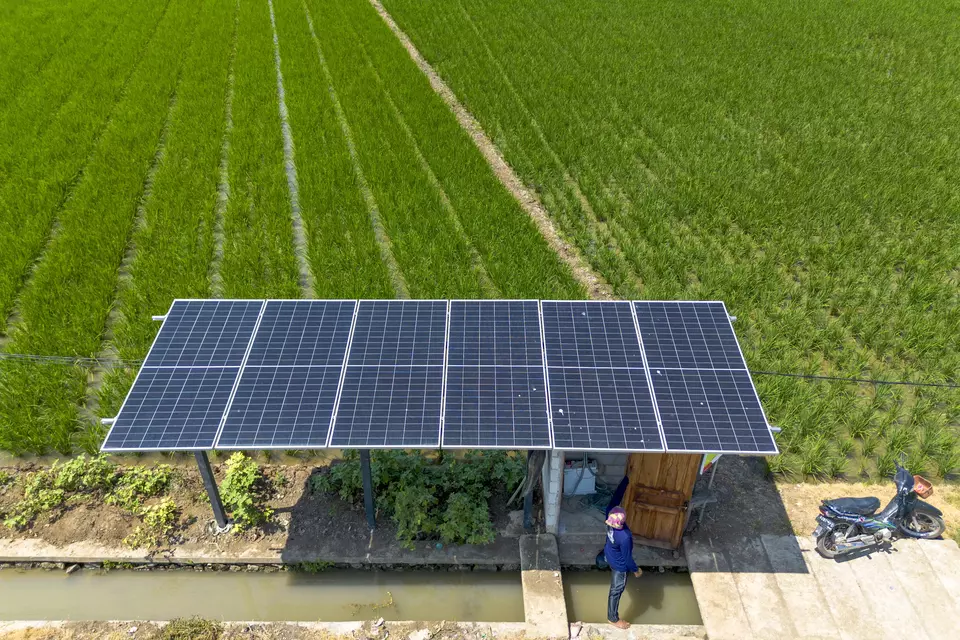
Bhima Yudhistira Adhinegara, Executive Director of CELIOS, and Muhammad Zulfikar Rakhmat, Director of China-Indonesia Desk, CELIOS suggest that Indonesia’s Rp 200 trillion liquidity injection presents a rare opportunity to fund green industrial policy through rural solar power and local manufacturing. To succeed, the government must coordinate a shift from short-term economic relief toward long-term structural […]
A Global Dataset of the Cost of Capital for Renewable Energy Projects
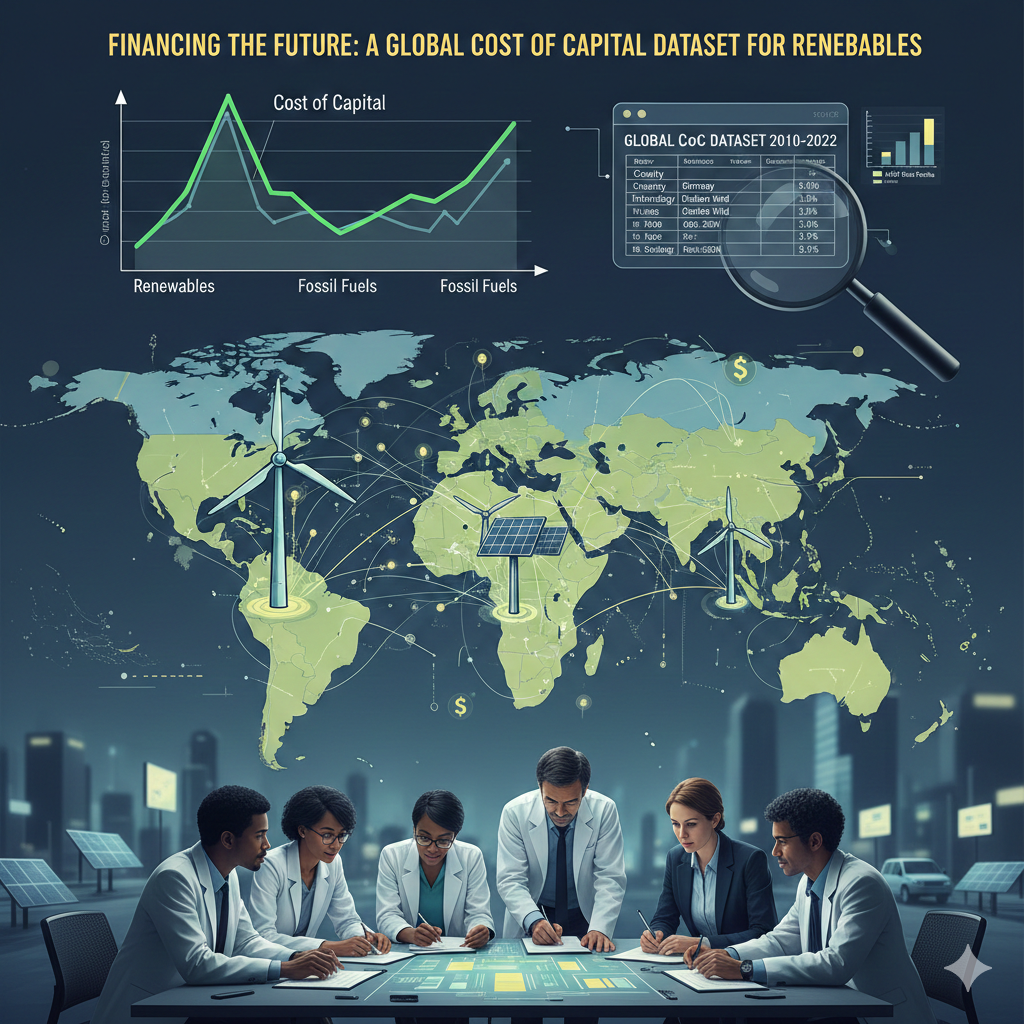
The authors present a standardized global dataset of Cost of Capital (CoC) for renewable energy projects, covering 68 countries and three key technologies from 2010 to 2022. By integrating 1,429 data points from academic literature and international organizations, the study fills a critical data gap to help researchers and policymakers more accurately model the financial […]
Prabowo’s Climate Test at the UN: Can Indonesia Lead Where America Falters?

The authors (Bhima Yudhistira Adhinegara is the Executive Director of the Center of Economic and Law Studies (CELIOS). Muhammad Zulfikar Rakhmat is the Director of the China–Indonesia and MENA–Indonesia Desks at CELIOS) argue that President Prabowo’s ambitious climate rhetoric at the UN must be backed by immediate domestic policy shifts to overcome bureaucratic inertia and […]
Ekonomi Perawatan, Fondasi Hilirisasi yang Kerap Terlupakan

Aisha Fadhila, Program Manager Riset di CORE Indonesia, berargumen bahwa proyek hilirisasi nikel menimbulkan bias gender yang berat karena mengabaikan beban kerja perawatan tak berbayar yang dipikul perempuan di tengah kerusakan lingkungan. Masalah intinya terletak pada kebijakan ekonomi makro yang hanya mengejar pertumbuhan angka tanpa mengakui, mengurangi, dan meredistribusikan tanggung jawab infrastruktur sosial kepada negara. […]