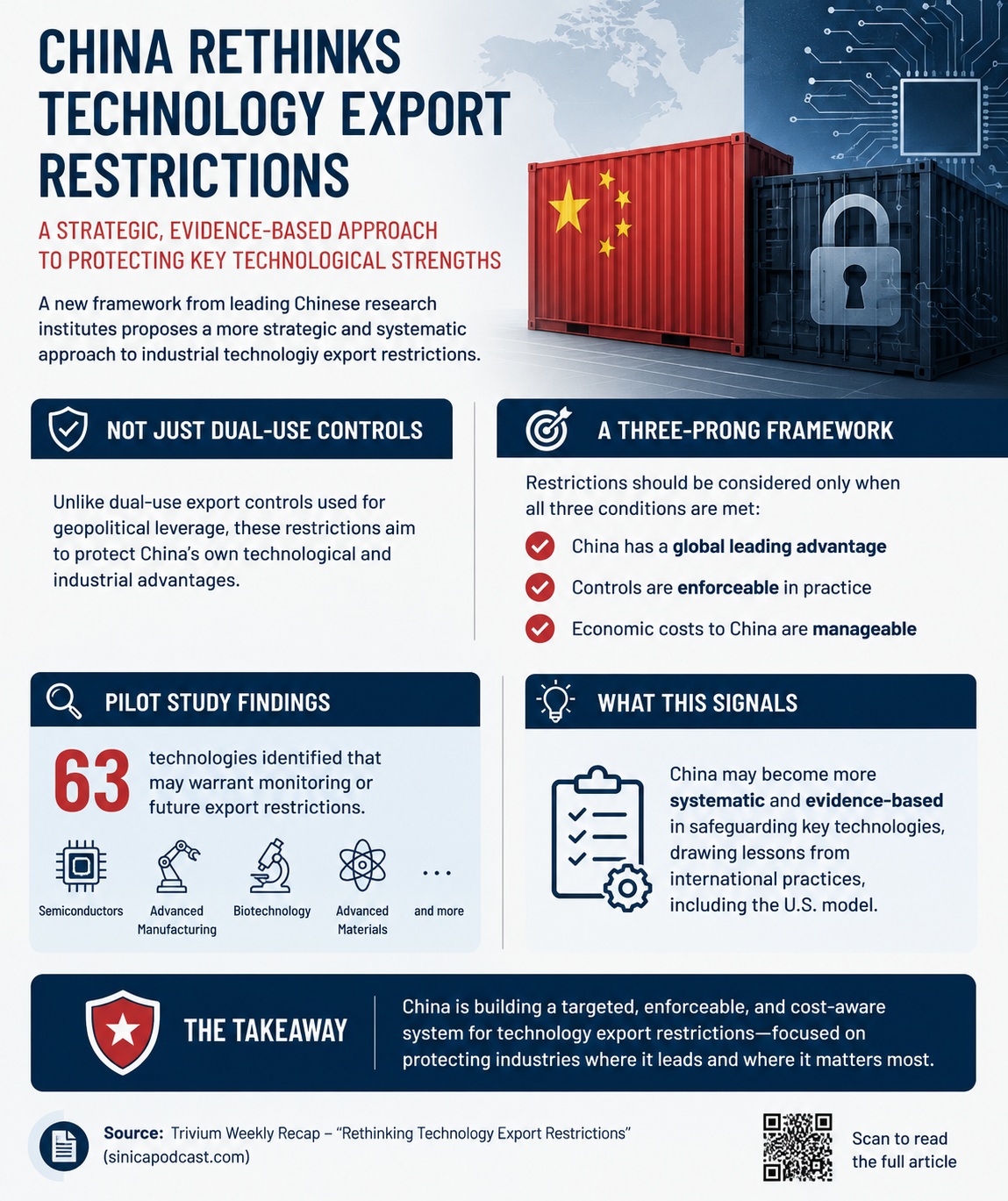
China Restrict Export
In the Trivium Weekly Recap article “Rethinking Technology Export Controls,” on the Sinica Podcast platform, Andrew Polk highlights new research from Chinese...
Wealth Tax Article
The debate over wealth tax in Indonesia has intensified in recent years due to rising economic inequality, fiscal pressures, and demands for a fairer tax...
article ART
The United States has fundamentally repurposed its trade policy to prioritize national security over market efficiency, centering its strategy on securing...

Upcoming Event

No event found!

Resource Library

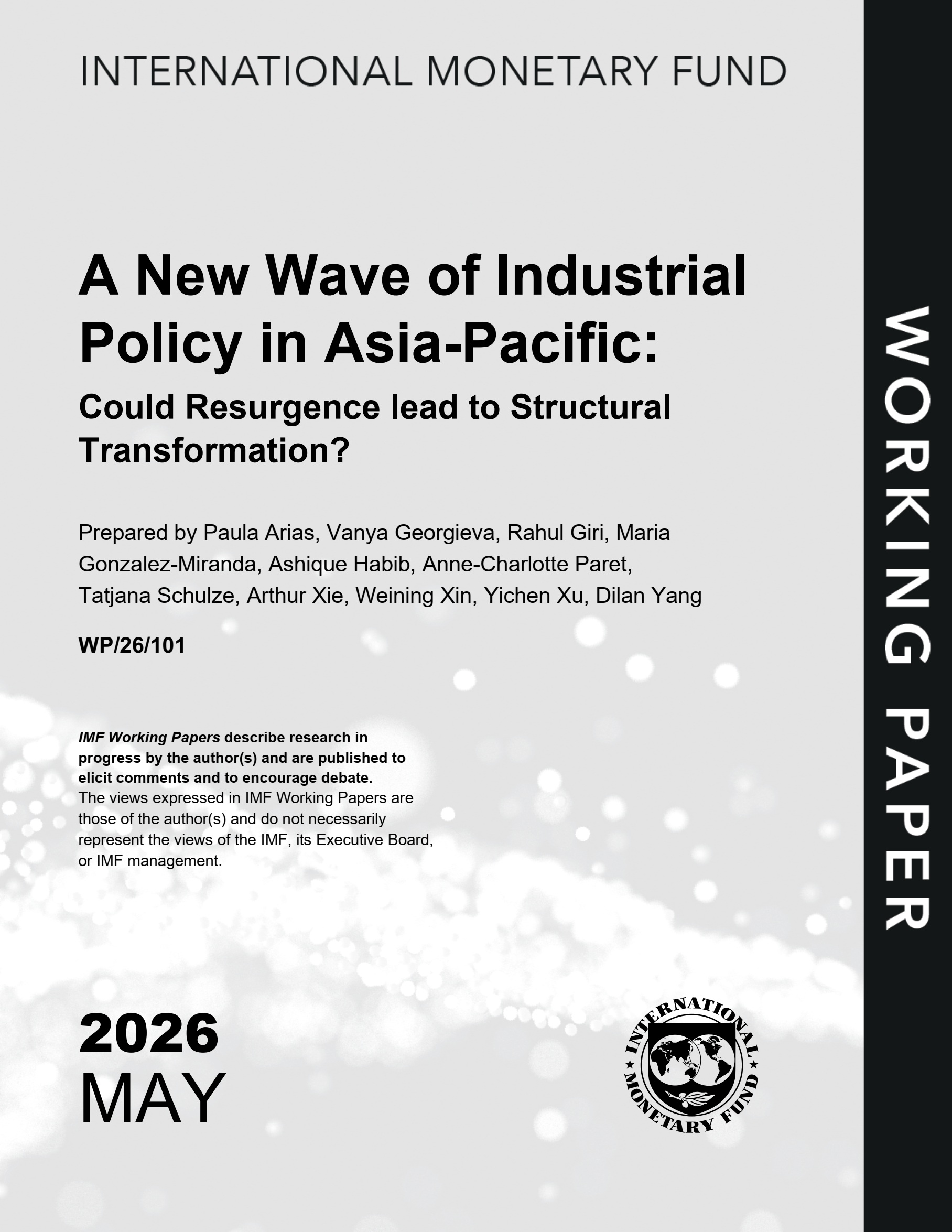
A New Wave of Industrial Policy in Asia-Pacific: Could Resurgence lead to Structural Transformation?

Published by the International Monetary Fund (IMF), this working paper provides a comprehensive assessment of industrial policy across the Asia-Pacific from 2009 to 2024. While three-quarters of these subsidy-dominated interventions theoretically align with structural transformation goals—ranging from “safe-bets” to “moonshots”—their actual ex-post impacts on trade and competitiveness are small and short-lived, highlighting the need for more parsimoniously designed policies.

Read More »

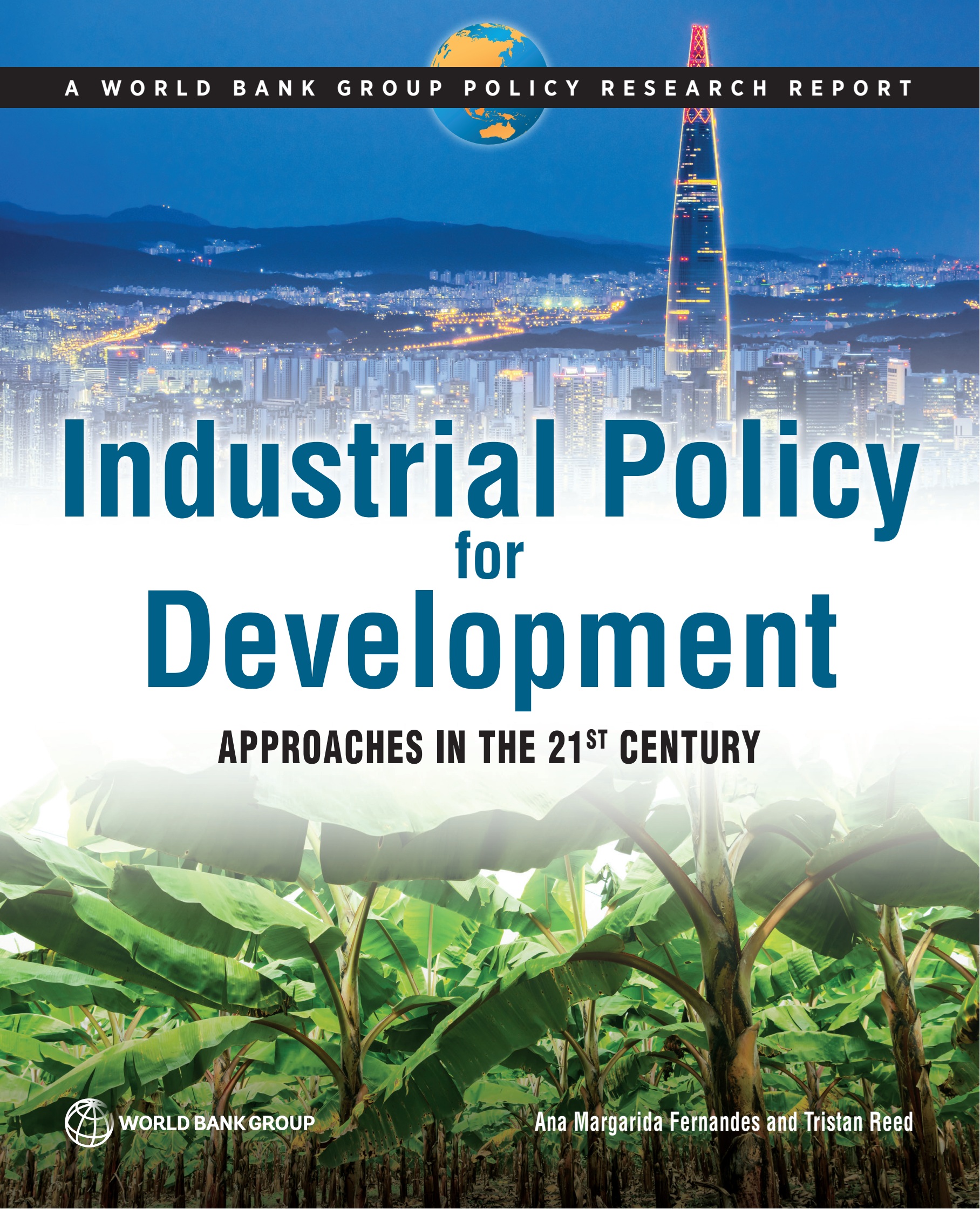
Industrial Policy for Development: Approaches in the 21st Century

Published by the World Bank, Industrial Policy for Development: Approaches in the 21st Century examines how governments can use industrial policy to promote growth, jobs, and economic transformation. The report evaluates 15 policy tools, highlighting the importance of government capacity, fiscal space, and market size in achieving effective industrial development.

Read More »

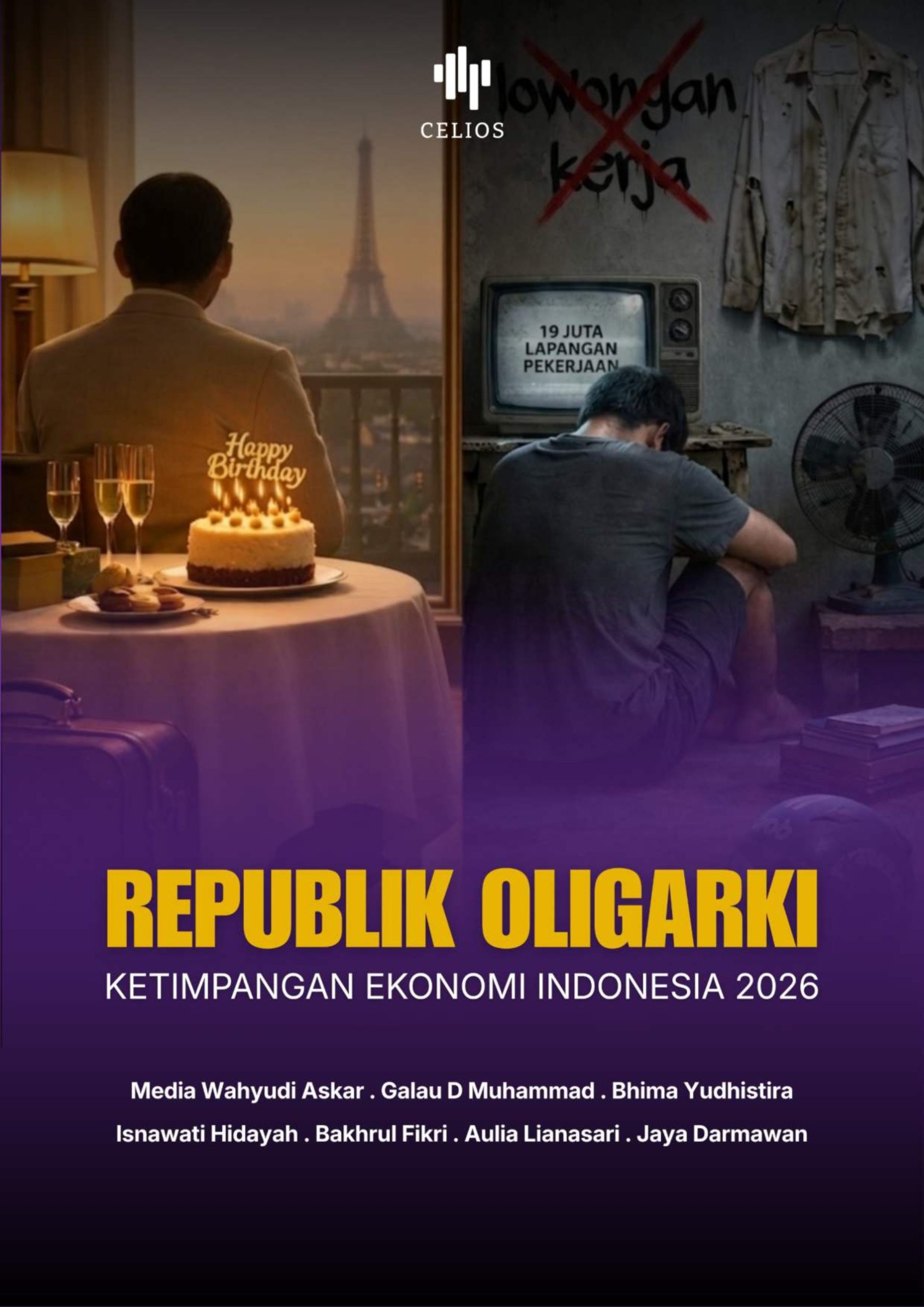
Ketimpangan Ekonomi Indonesia 2026

Published by the Center of Economic and Law Studies (CELIOS), Ketimpangan Ekonomi Indonesia 2026: Republik Oligarki examines widening economic inequality in Indonesia. The report highlights how wealth and political power are concentrated among elites, especially in extractive industries, while workers, youth, and lower-income groups face declining economic mobility and limited social protection.

Read More »

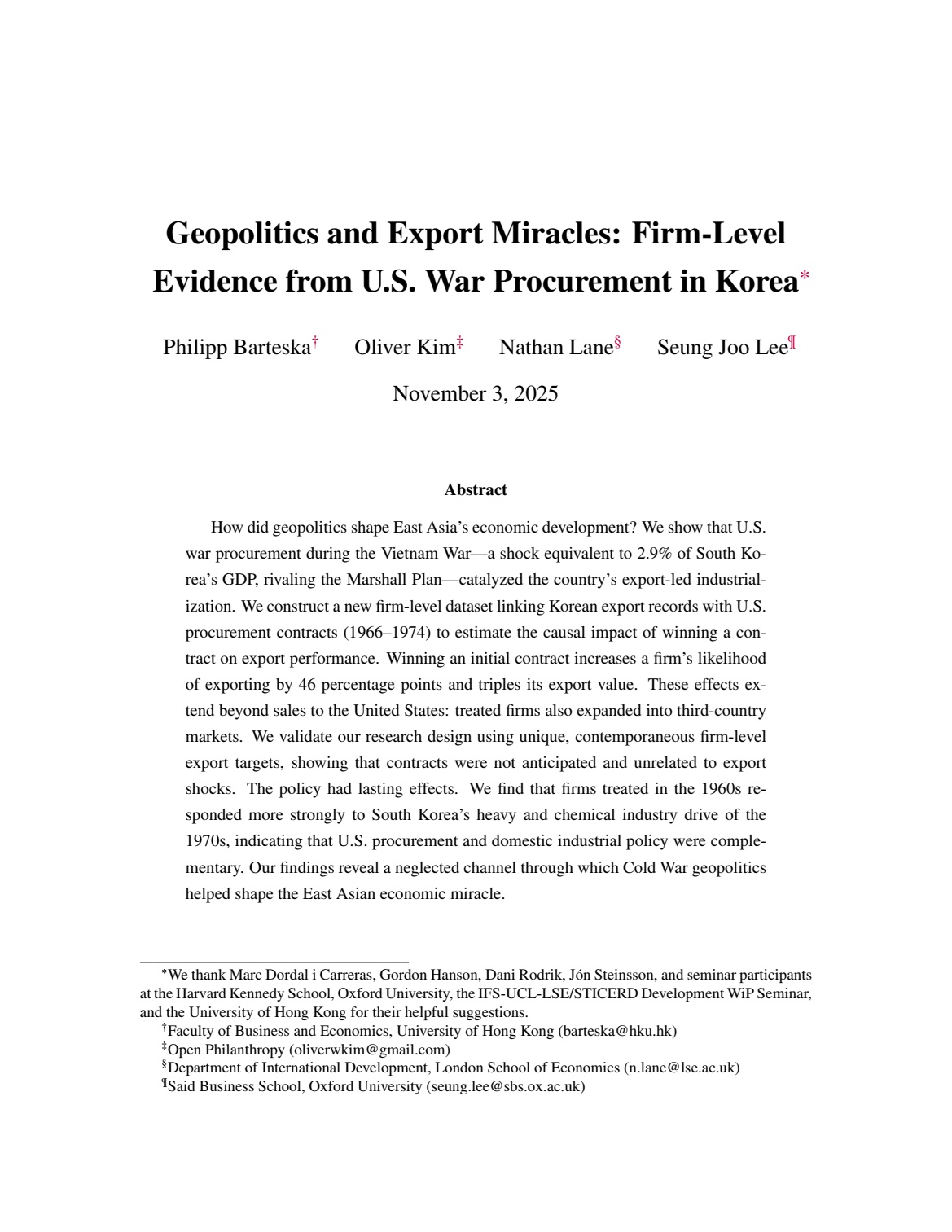
Geopolitics and Export Miracles: Firm-Level Evidence from U.S. War Procurement in Korea

In “Geopolitics and Export Miracles,” authors Philipp Barteska, Oliver Kim, Nathan Lane, and Seung Joo Lee demonstrate how U.S. military procurement during the Vietnam War catalyzed South Korea’s industrialization. Winning contracts significantly boosted firm-level exports and long-term growth, revealing how Cold War geopolitics complemented domestic industrial policies to drive economic miracles.

Read More »

Leveraging the London Metal Exchange

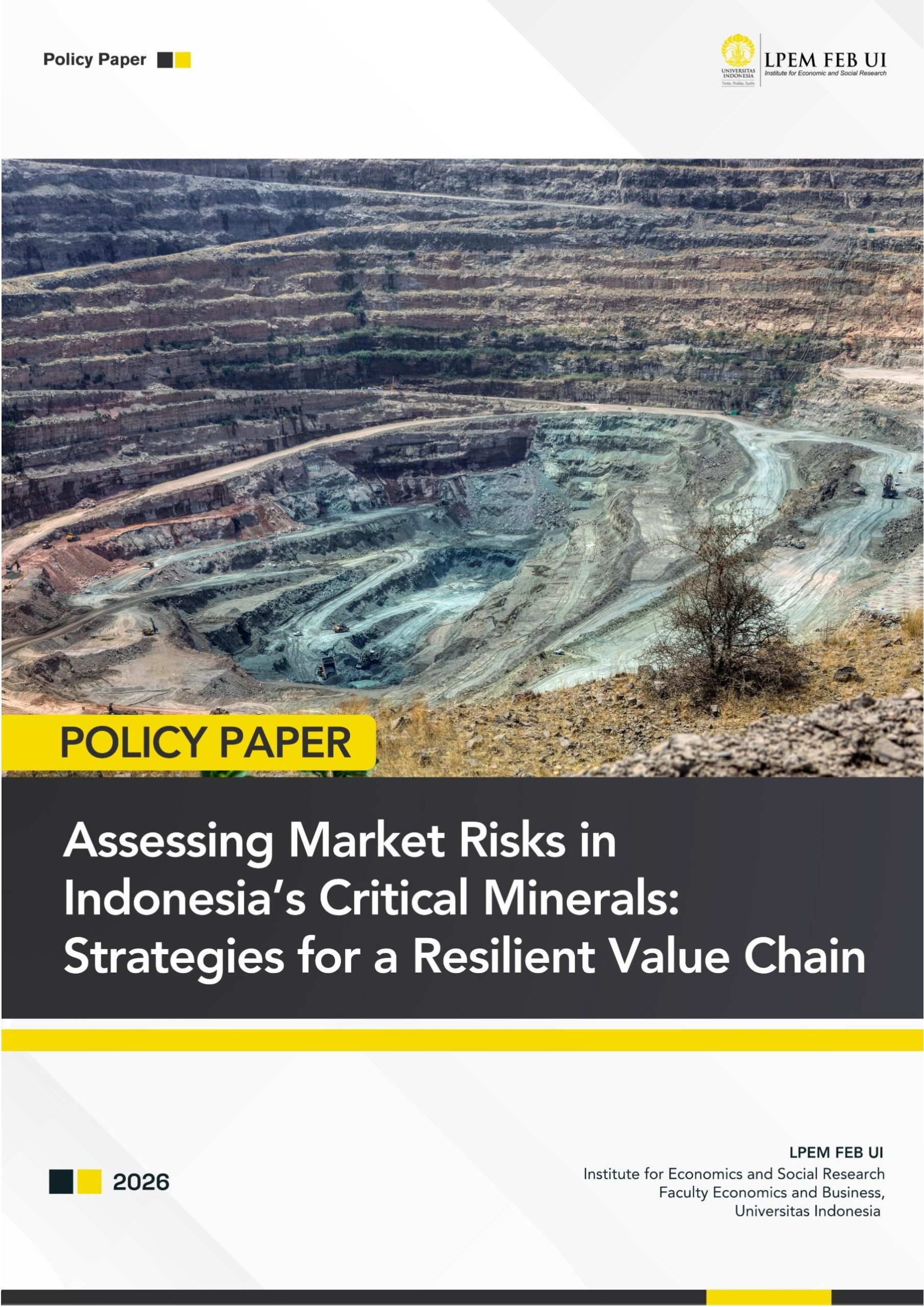
Indonesia is a global critical minerals powerhouse, dominating nickel production through strategic export bans and domestic refining. Despite market volatility and oversupply issues in 2025-2026, the nation is pursuing deeper value chain integration. By leveraging the London Metal Exchange, Indonesia aims to diversify exports, ensure transparent pricing, and promote low-carbon processing.

Read More »

Industrial Transformation in ASEAN: A Cluster-Driven Model for Regional and Global Collaboration

The white paper Industrial Transformation in ASEAN: A Cluster-Driven Model for Regional and Global Collaboration examines Southeast Asia’s industrial growth amid rising energy demand and transition challenges. It highlights risks from fossil fuel reliance, fragmented policies, and financing barriers. Industrial clusters are proposed to align policies, strengthen collaboration, and mobilize finance, enabling a competitive, low-carbon, and resilient industrial transformation across ASEAN economies.
Read More »

Just Energy Transition Partnership (JETP) Indonesia: Comprehensive Investment and Policy Plan 2023

Indonesia’s Comprehensive Investment and Policy Plan (CIPP) for the Just Energy Transition Partnership (JETP) is a roadmap targeting an on-grid power sector emissions cap of 250 MtCO2 by 2030 and 44% renewable energy generation share. The plan requires an estimated US$97.3 billion by 2030, leveraging the US$20 billion pledge from the International Partners Group. The CIPP identifies priority projects, outlines policy reforms, and includes a Just Transition framework to manage social and economic impacts.
Read More »

Mendorong Swasembada Pangan dan Energi Berkelanjutan : Menguji Target Ambisius Kabinet Merah Putih Prabowo-Gibran

This INDEF report outlines Indonesia’s ambitious “Golden Indonesia 2045” vision, targeting 8% economic growth through food and energy self-sufficiency. It highlights challenges like climate change, stagnant productivity, and “early deindustrialization”. Proposed solutions include mandatory biofuels (B35/B50) and downstreaming natural resources to ensure long-term resilience.
Read More »

IGC White Paper on Sustainable Growth: Innovation, Growth, and the Environment

Developing countries must achieve sustainable growth to raise living standards while mitigating climate change. By adopting technological and organizational innovations in energy, manufacturing, and trade, these nations can decouple economic expansion from environmental damage. Success requires reshaping infrastructure, labor markets, and regulations to ensure productivity gains without compromising the planet’s health.

Read More »

1 GW Solar Mapping and Development Plan (Indonesia)

The ETP and BAPPENAS are accelerating Indonesia’s solar deployment to bridge the gap between 271.6 MWp current capacity and 208 GW potential. By de-risking investments and targeting 10 GW of solar installations, this initiative serves as a vital catalyst for policy alignment and achieving net-zero emissions by 2050.

Read More »

Studi Pembangkit Listrik Captive 2025

This is the Bahasa Version of JETP Captive Study Report. The report shows that Indonesia’s reliance on coal-heavy captive power for nickel processing poses a strategic liability. This study identifies 25.9 GW of capacity, 75% being coal-based. Transitioning to 80% renewables by 2050 is feasible via solar and biomass. Despite initial costs, decarbonization is vital for global competitiveness, green financing, and meeting climate commitments.

Read More »

JETP Captive Power Study Report 2025

Indonesia’s industrial growth, particularly in nickel processing, relies heavily on captive coal power, which now presents a strategic liability. This study identifies 25.9 GW of operating captive capacity, over 75% of which is coal-based. Transitioning to a 80% renewable mix by 2050 is technically feasible through solar, biomass, and grid integration. While short-term costs may rise, decarbonization is essential to maintaining global competitiveness, securing green financing, and meeting JETP climate commitments while supporting long-term economic resilience.

Read More »

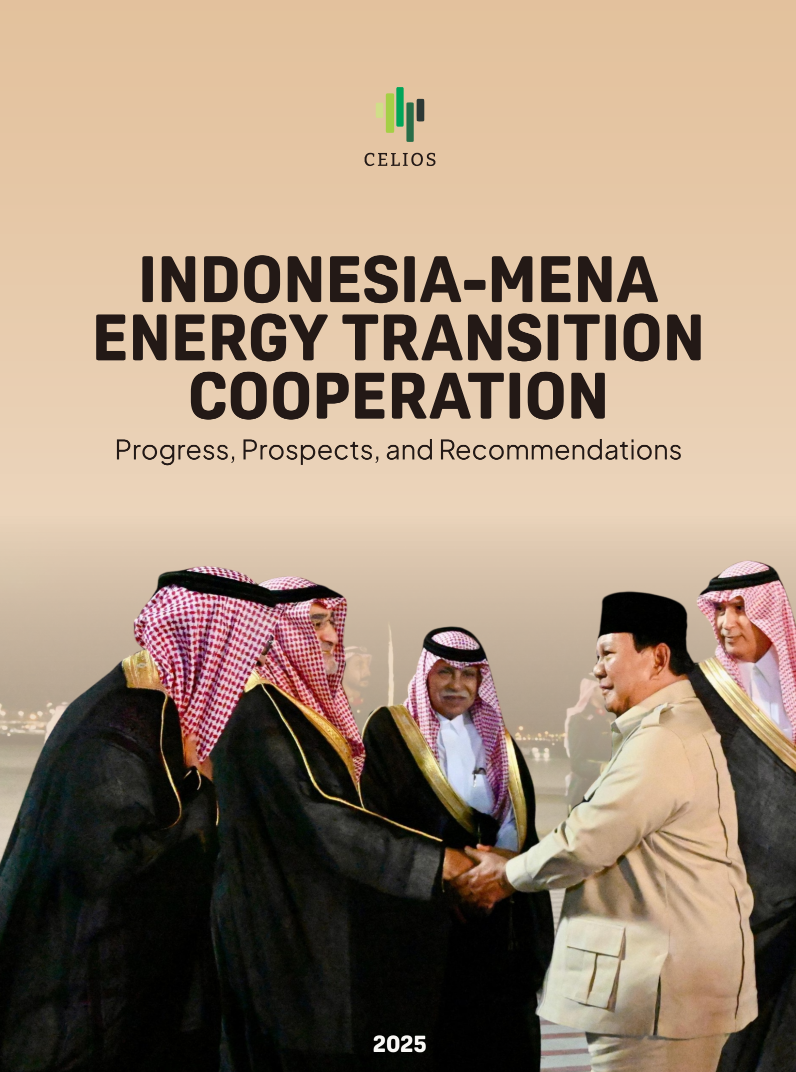
Indonesia-Mena Energy Transition Cooperation

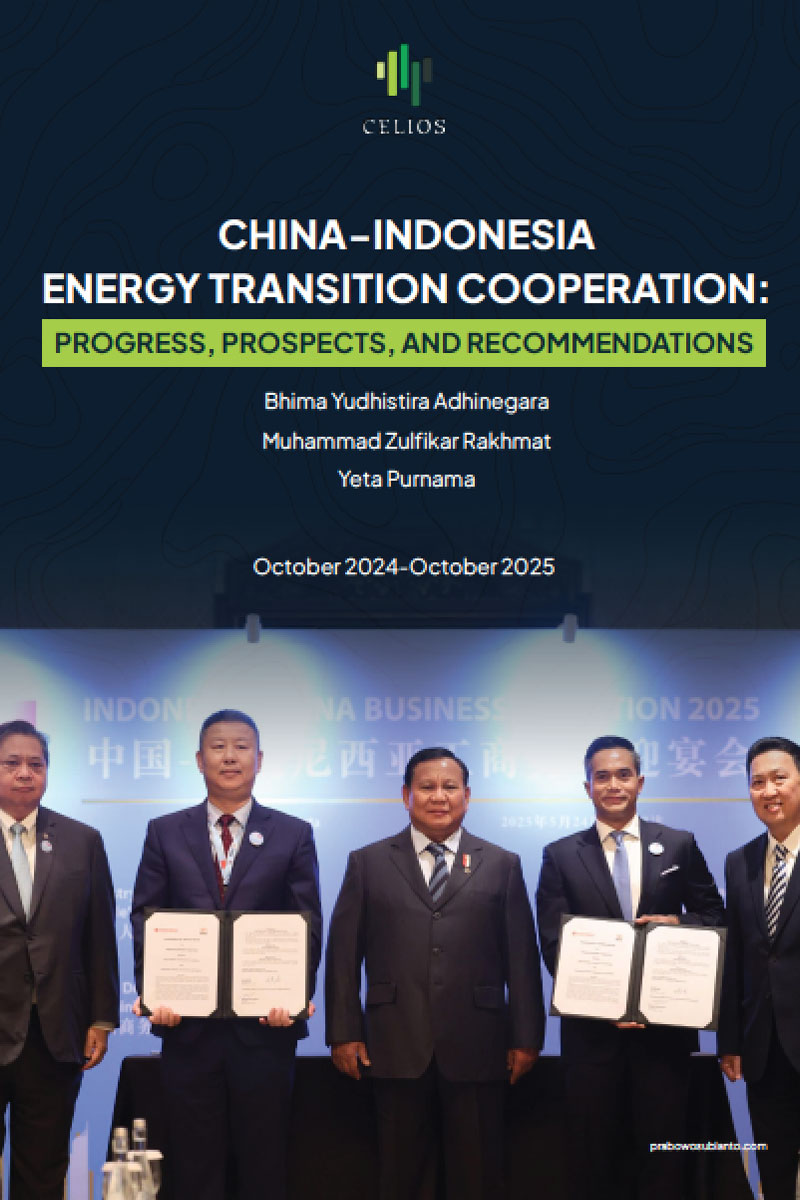
In 2025, cooperation between Indonesia and the MENA region has shifted from project-based deals to institutionalized partnerships centered on the green energy transition, according to Celios. Guided by Indonesia’s SNDC and Gulf visions like Saudi Vision 2030, both regions are mobilizing capital for renewable energy, hydrogen, and critical minerals. High-level frameworks, including a 10 GW clean energy pact with the UAE and co-investment funds with Qatar, are driving Indonesia’s goal of 34% renewable energy by 2034.

Read More »

National Dialogue: Assessing the Readiness for Circularity in Indonesia Textile and Garment Industry

Indonesia is prioritizing the textile industry for the circular economy to mitigate negative impacts on biodiversity and achieve zero-waste. This model creates green jobs and strengthens the economy. Circularity encompasses more than just recycling; it involves design, production, consumer behavior, technology, and policies like Extended Producer Responsibility (EPR). IBCSD, alongside Asia Pacific Rayon and supported by the Embassy of Denmark, organized a multi-stakeholder discussion to identify priorities, share best practices (Reduce, Reuse, Recycle, Refurbish, Renew), explore government roadmaps, and initiate joint pilot projects for textile circularity in Indonesia.

Read More »

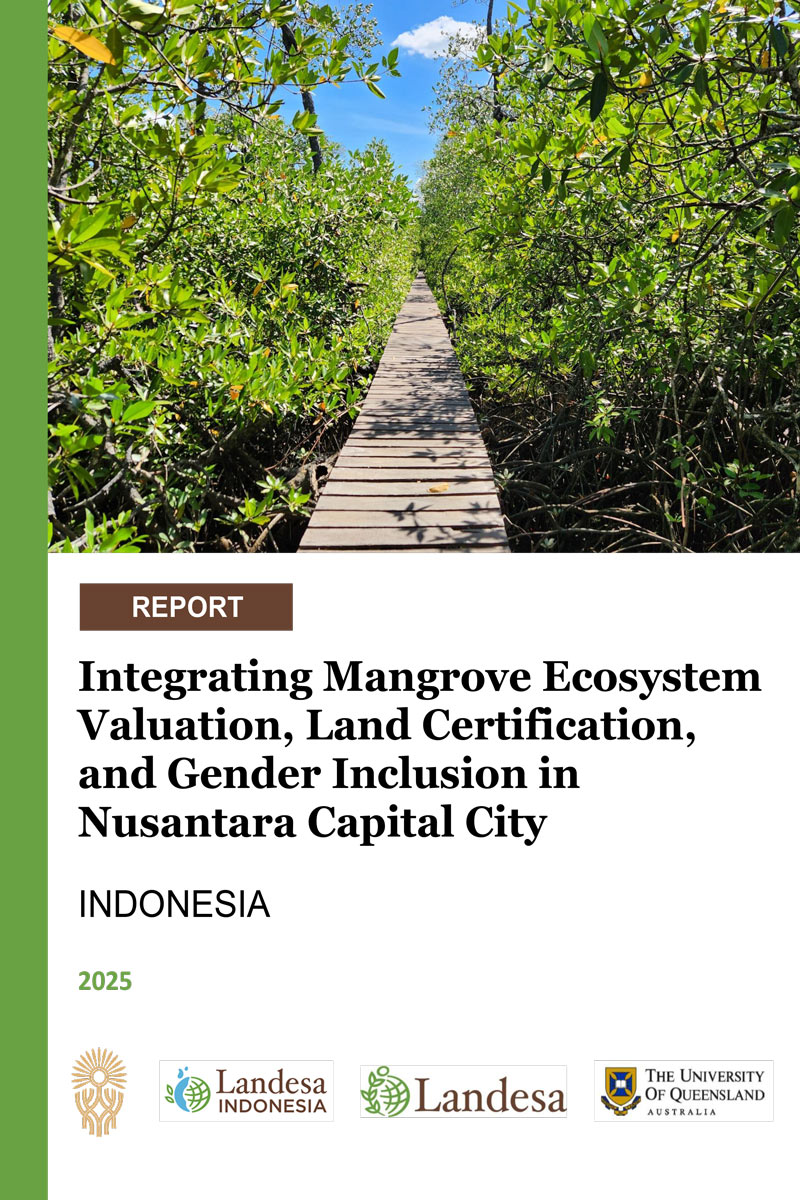
Integrating Mangrove Ecosystem Valuation, Land Certification, and Gender Inclusion in Nusantara Capital City

Landesa’s new study demonstrates how Indonesia’s intended new capital city can showcase integrated and inclusive tenure security and coastal management that balance urban development with mangrove ecosystem conservation. The study reveals the feasibility of implementing Payment for Ecosystem Services and proposes integrating ecosystem service economics with the land certification framework in the country, pioneering gender-responsive ecosystem service rights certification.

Read More »

Desk Review Tantangan Pangan dan Energi Indonesia Masa Depan

The desk review posits that energy modernization is vital for food security and poverty reduction in developing nations, as modern agriculture is energy-intensive, consuming around 30% of global energy. Rural programs must shift focus from solely household energy to agricultural energy supply to promote income generation. Achieving food security requires transitioning to commercial farming supported by sustainable, modern energy (like non-fossil fuel alternatives), to reduce the 35% of agriculture’s GHG emissions linked to energy use.

Read More »

Katadata ESG Index 2025 Tren, Kesenjangan, dan Arah Baru Keberlanjutan Korporasi di Indonesia

The Katadata ESG Index 2025 assesses how Indonesian public companies incorporate environmental, social, and governance practices into management and disclosure. The index encourages companies to move beyond profit-only strategies toward sustainability-driven growth. It highlights ESG adoption as essential for attracting investment, gaining stakeholder trust, and improving competitiveness. The report also emphasizes transparency, measurable ESG performance, technological transformation, and transition-ready business operations as key enablers of long-term value and economic resilience in Indonesia.

Read More »

Employment Impacts of Energy Transition In Indonesia

This study by LPEM UI assesses how decarbonizing Indonesia’s power and automotive sectors will affect employment. Using modeling for three scenarios, it projects that transitioning the electricity sector in line with the Paris Agreement could generate 5.86 million direct job-years, mainly from solar PV construction, outweighing coal-related job losses. Total net job creation by 2050 could reach 7.07–12.17 million job-years. However, shifting from internal combustion vehicles to electric vehicles may reduce manufacturing and maintenance jobs, requiring workforce upskilling and stronger stakeholder collaboration to manage labor market impacts.

Read More »

Principles For Designing a Coordinated Carbon Market Development Strategy

Indonesia Climate and Growth Dialog (ICGD) argues that Indonesia can build a strategic carbon market system that supports decarbonisation, attracts large-scale finance, and enhances trade competitiveness. This paper proposes principles to align domestic compliance, international compliance, and voluntary markets so they operate synergistically and encourage high-integrity low-carbon investments. Developed through engagement with government and international partners, the recommendations stress coordinated market design to avoid fragmentation and maintain investor confidence. The framework also clarifies key concepts—high-integrity mitigation activities, development risks, and full project costs—to ensure credible emissions reduction outcomes.

Read More »

Turning the Tide: Advancing Indonesia’s Blue Economy Through Ocean-Based Mitigation Actions

According to this study by Climateworks Centre, Indonesia, the world’s largest archipelagic nation, holds immense potential to align its $1.3trillion Blue Economy with its climate goals, leveraging 17 percent of global blue-carbon ecosystems. Realizing this requires operationalizing potential through enhanced governance, finance, and regional cooperation. The core challenge is shifting from ambition to execution, requiring strengthened Marine Spatial Planning and embedding blue sectors within a sustainable finance taxonomy to unlock investment for both emission reduction and livelihood enhancement.

Read More »

Coal Export Tax: A Domestic Funding Source for Indonesia’s Energy Transition

Transisi Bersih argues that implementing a coal export tax offers substantial benefits for Indonesia’s energy transition financing and market efficiency. It provides a reliable new revenue stream (potentially USD 700 million to USD 5 billion annually) directly funding Net-Zero efforts. Furthermore, the tax acts as an efficient and transparent mechanism, naturally helping to stabilize and lower domestic coal prices, replacing the distortionary DMO policy. This ensures foreign buyers contribute fairly to Indonesia’s clean energy development while bolstering national fiscal and energy resilience.

Read More »

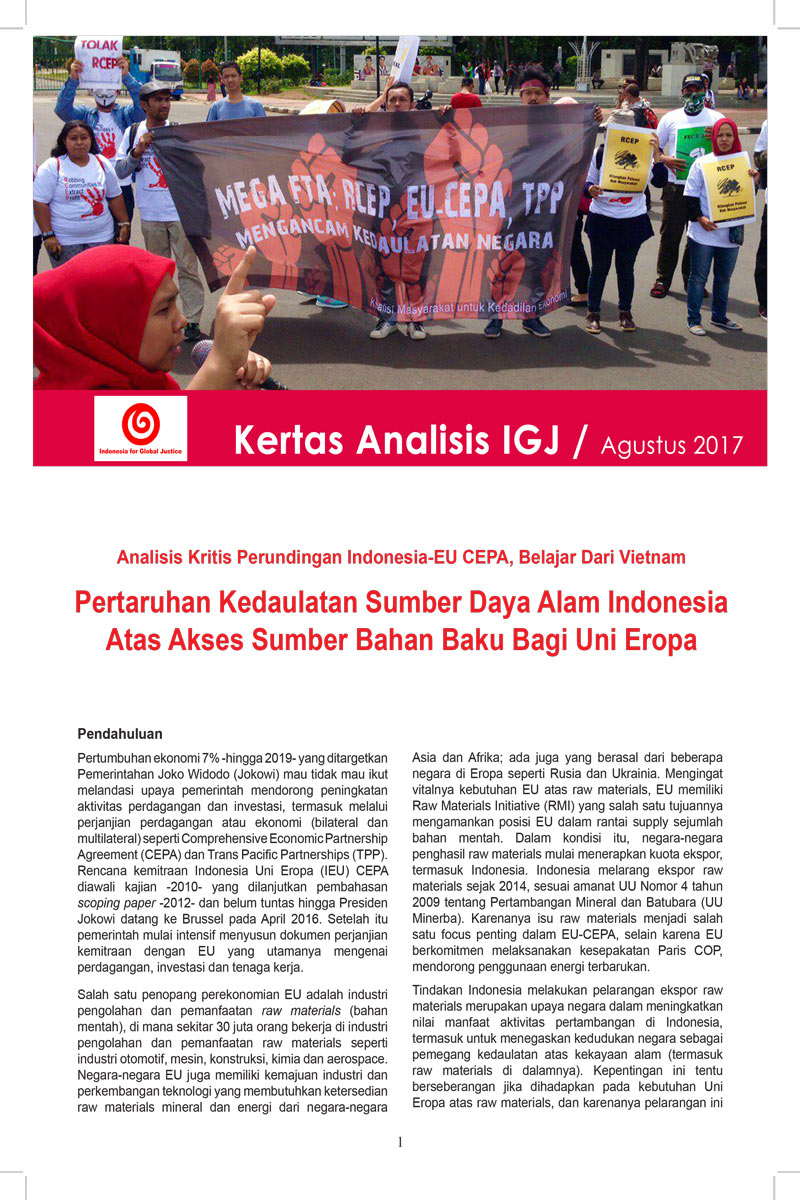
Pertaruhan Kedaulatan Sumber Daya Alam Indonesia Atas Akses Sumber Bahan Baku Bagi Uni Eropa

Indonesia for Global Justice (IGJ) shows that Indonesia–EU CEPA negotiations highlight conflicting interests over raw materials. Indonesia enforces export bans on unprocessed minerals to strengthen sovereignty and increase domestic value-added, based on the Minerba Law. Meanwhile, the EU relies on imported minerals and aims to secure supply through its Raw Materials Initiative, pushing Indonesia to remove export restrictions. CEPA provisions risk pressuring Indonesia to liberalize investment, revise national regulations, and weaken state control over natural resources.

Read More »

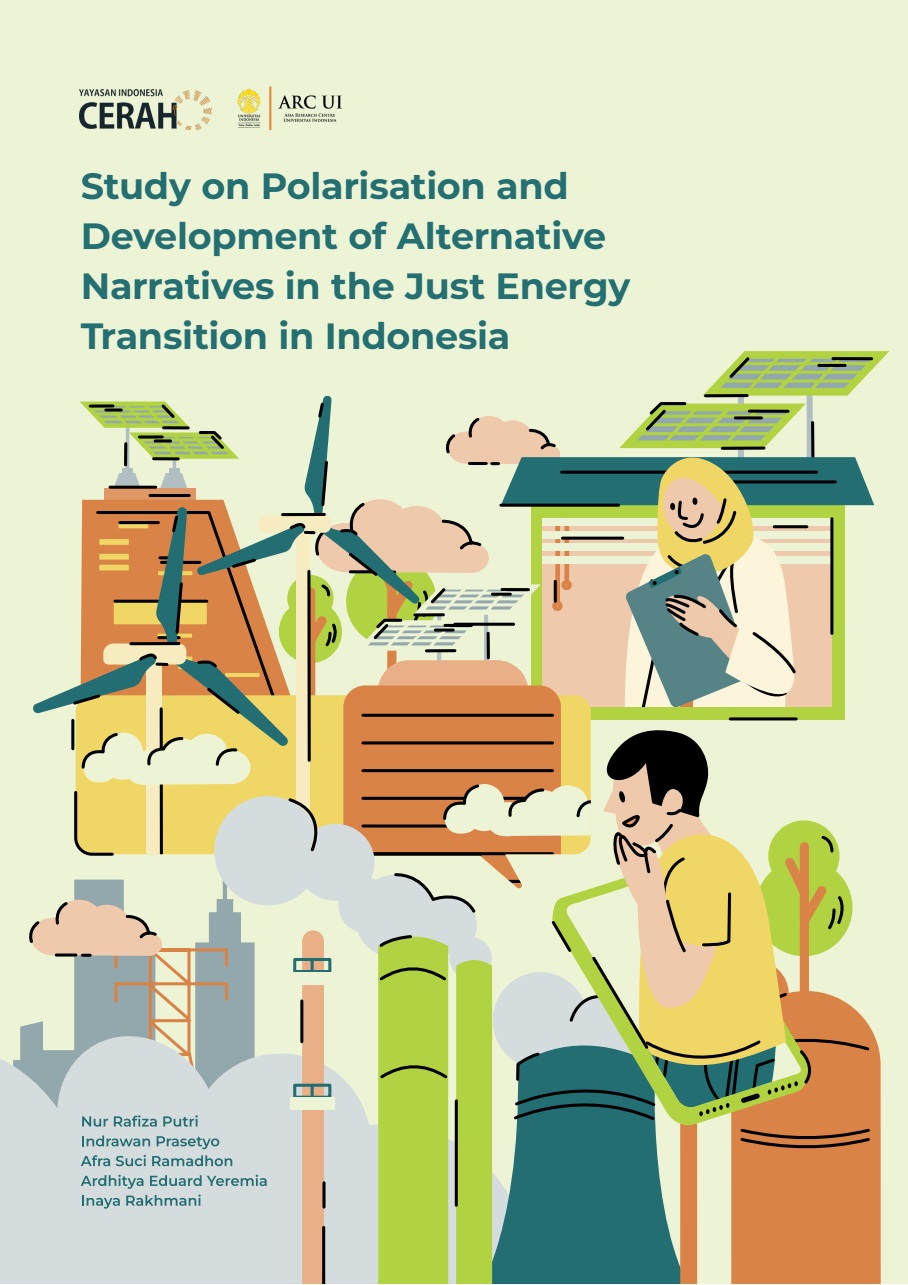
Study on Polarisation and Development of Alternative Narratives in the Just Energy Transition in Indonesia

The persistent rise in global temperatures necessitates an urgent, equitable energy transition away from fossil fuels. Despite international commitments, this transition is hampered by the enduring influence of energy oligarchs and subsidization. A study by ARC UI and CERAH will examine the polarization of this issue on social media, focusing on non-elite perceptions and the stances of diverse stakeholders to develop alternative, just energy narratives. This allow for focus on the perceptions and positions of various stakeholders across sectors: private, government, civil society organizations, local communities, and journalists.

Read More »

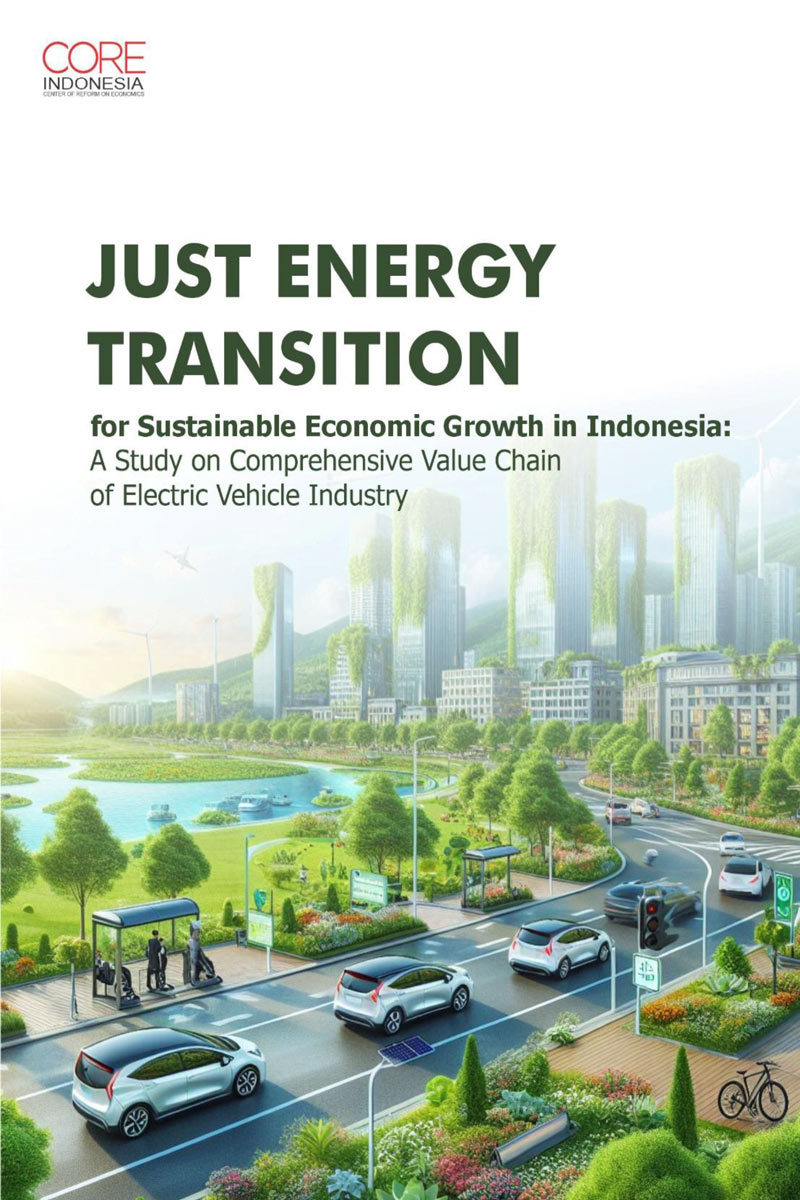
Just Energy Transition for Indonesia’s Sustainable Economic Growth: A Study on the Comprehensive Value Chain of the Electric Vehicle Industry

The study by CORE Indonesia shows that the energy transition—the shift from emission-intensive fossil fuels to renewable alternatives—is crucial for mitigating climate change, addressing supply constraints, and enhancing energy security and competitiveness. Fossil fuels, particularly coal (40.35% of global source of power), necessitate this transition to prevent environmental degradation and depletion of non-renewable reserves. Transitioning to sources like solar and geothermal also yields substantial economic benefits, potentially generating 42 million green jobs by 2050, thus demanding accelerated global implementation.

Read More »

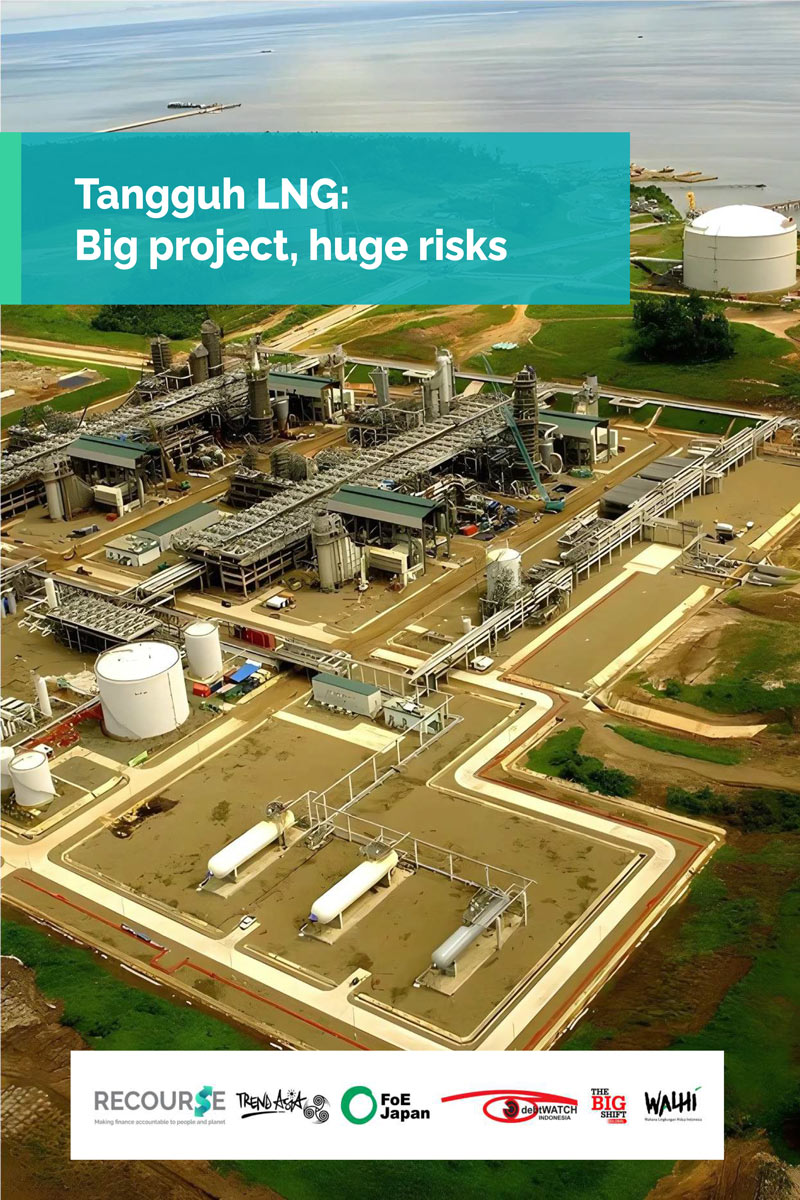
Tangguh LNG: Big Project, Huge Risks

Despite Paris Agreement commitments, the Indonesian government and Multilateral Development Banks (MDBs) are promoting fossil fuel expansion, exemplified by the planned Tangguh LNG Train 4 and CCUS project. This expansion, linked to a conflict zone and human rights violations, contradicts climate goals. MDBs, including ADB and AIIB, must strengthen policies and eliminate loopholes in financing, particularly through financial intermediaries, to end all fossil fuel funding, prioritize renewable energy, and uphold the rights of Indigenous communities affected by such projects.

Read More »

Financing A ‘Just’ Energy Transition in Indonesia: Analysis and Policy Recommendations

Indonesia aims for Net Zero Emissions by 2060, committing to up to a $43.20\%$ GHG reduction by 2030, guided by its LTS-LCCR. Achieving the 2030 target requires $247.3 billion, yet current public and private financing is insufficient, especially for coal plant retirement and renewable energy. This research by Prakarsa analyzes existing sustainable financing schemes, including JETP and ETM, focusing on the often-missing ‘just’ aspect to ensure equity for affected workers, vulnerable groups, and indigenous communities.

Read More »

Ekonomi Hijau dalam Visi Indonesia 2045

Nations face a planetary crisis, mandating multilateral action like the Paris Agreement, which commits Indonesia to emissions reduction via the Green Economy. This monograph evaluates Indonesia’s Green Economy progress, identifying challenges in regulation, institutions, and finance. Key issues include absent socio-technological regulation, low implementation effectiveness, poor inter-agency coordination, and limited fiscal space for green financing. Strategies focus on political commitment, creating a Green Economy task force, and remapping financing, projecting movement toward optimal implementation by 2045.

Read More »

Dampak Pelarangan Ekspor Bijih Nikel Terhadap Kinerja Sektor Industri dan Perekonomian Indonesia

Nickel is a key Indonesian resource with significant downstreaming potential, yet domestic utilization has been historically low due to extensive raw ore exports, limiting feedstock supply. This study analyzes the macroeconomic and industrial performance impacts of a nickel ore export ban using a Computable General Equilibrium (CGE) model. The findings indicate the ban must be coupled with policies stimulating investment in downstream processing to ensure optimal production utilization; otherwise, the policy risks detrimental outcomes for the manufacturing sector and the national economy.

Read More »

How can (Green) Industrial Policy Serve Human and Natural Flourishing? Critiques, Concepts, and Tools

Green industrial policy is narrowly focused on increasing “green” goods production and emission reduction. Emerging critiques and cross-disciplinary literature, however, view the green transition as a systemic, whole-economy transformation. This paper proposes a holistic framework conceptualizing industrial policy as a tool to transform production to fulfill human needs more fully and equitably, and in balance with ecosystem needs and boundaries. The framework details 20 necessities and offers practical design tools.

Read More »

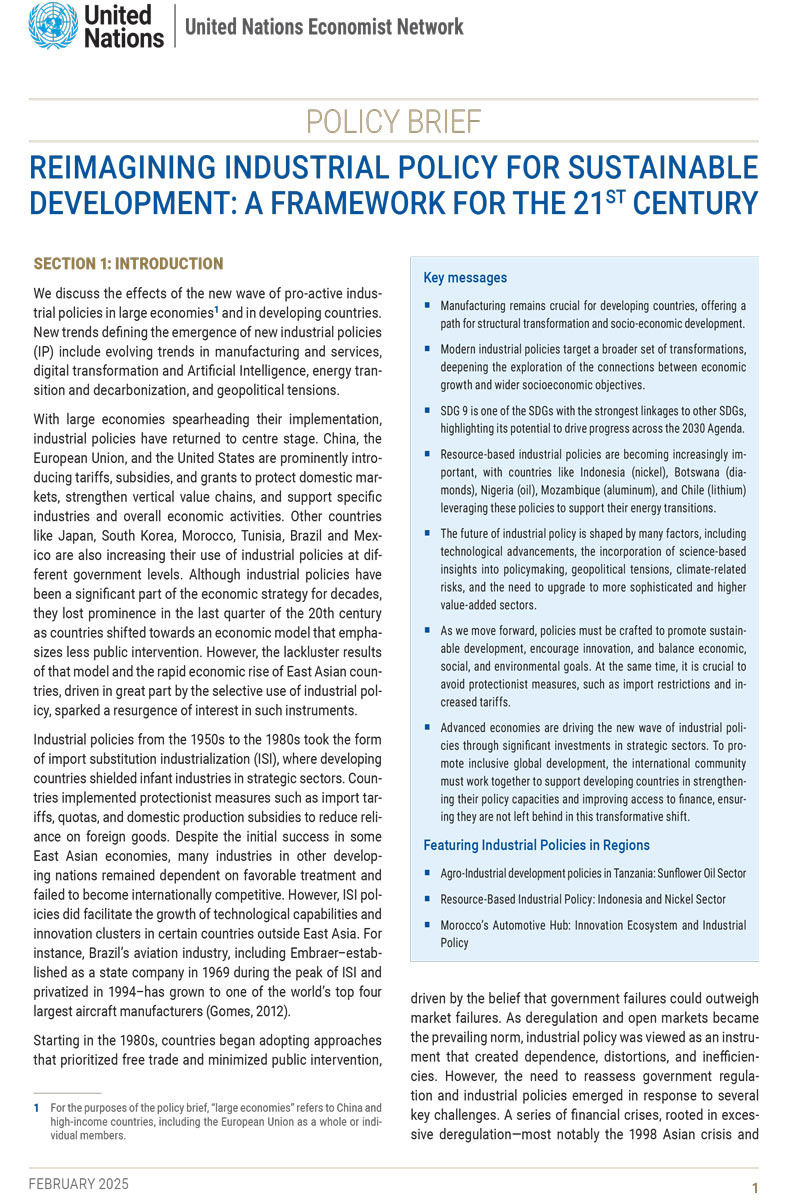
Reimagining Industrial Policy for Sustainable Development: A Framework for The 21st Century

Industrial policies (IP) are resurgent globally, driven by digital transformation, energy transition, and geopolitical tensions. Large economies like China, the EU, and the US are using tariffs and subsidies to strengthen domestic value chains. Developing nations are also implementing IPs/Productive Development Policies (PDPs), focusing on public goods, export promotion, and attracting FDI. This new wave marks a shift from the deregulation era, aiming for structural economic transformation and addressing market failures.

Read More »

Regional Coordination of Green Industrial Policies: What can we learn from the ASEAN Experience?

National green industrial policies and rising protectionism threaten global sustainable industrialization, especially for small nations needing cross-border coordination. This paper analyzes institutional needs for multilateral green policy coordination, urging developing nations to prioritize strategic regional coordination over mere integration to avoid competitive traps. Using ASEAN as a case study, key insights derived include the need for strong domestic institutions, the value of issue-based cooperation, mechanisms to mitigate competitive risks, and the limits of highly flexible institutional models.

Read More »

The New Industrial Policy Observatory 2.0 (NIPO 2.0)

The New Industrial Policy Observatory 2.0 (NIPO 2.0) tracks targeted government interventions aimed at supporting specific local firms and sectors since January 2017. Leveraging the Global Trade Alert system, NIPO 2.0 documents new, credible policy changes—including trade, investment, and technology measures—that alter competitive conditions. It covers 76 customs territories, providing data and evaluation on policies driven by economic, security, social, or environmental objectives.

Read More »

The New Global Economic Order

Edited by Lili Yan Ing and Dani Rodrik, this volume explores the evolving global economic landscape facing trade tensions and protectionism. It challenges the traditional neoliberal consensus, arguing that developing nations require greater policy space to manage trade-offs between global integration and domestic priorities, such as fostering industrial development and addressing inequality. The book advocates for new governance models that balance global rules with national autonomy.

Read More »

The New Economics of Industrial Policy

Recent literature offers rigorous evidence on the efficacy of industrial policies, significantly improving upon flawed, correlational earlier work. This paper reviews the standard rationales and critiques of industrial policy, offering an overview of new empirical approaches focusing on measurement and causal inference. The analysis provides a nuanced, contextual understanding of policy effects, re-evaluates the East Asian experience, and concludes by discussing how new governance models and diverse instruments are reshaping modern industrial policy amidst de-industrialization.

Read More »

Grand Strategi Mineral Batubara

The Grand Strategy for Minerals and Coal academic paper aims to define the strategic direction for optimal resource utilization to achieve Indonesia Ideal 2045. Its goals include creating a sustainable and competitive upstream/downstream ecosystem, ensuring supply chain reliability, and boosting job creation and state revenue. Essential to this is integrating downstream industries—leveraging Indonesia’s large reserves of nickel and tin—to support battery-based electric vehicles and chemical manufacturing.

Read More »

Sustainability In Supply Chains – A Guide for Private Markets Investors

This is a guide for institutional investors to adopt six key principles in their investment advisories. It calls for the investors to act in the long-term interests of the beneficiaries, recognizing that Environmental, Social, and Governance (ESG) issues impact portfolio performance. Institutional investors should commit to the six principles, including incorporating ESG factors into investment analysis and ownership practices, and seeking appropriate disclosure from invested entities. Collaboration is required to promote the acceptance of these Principles across the investment industry, alongside reporting on collective progress.

Read More »

Chapter II.4 – Mission-Oriented Innovation Policy: Challenges And Opportunities

Mariana Mazzucato argues that achieving smart, inclusive, and sustainable economic growth requires a new role for government, moving beyond merely fixing market failures. Public policy must actively tilt the playing field toward desired goals, recognizing that growth has a rate and a direction. This involves setting ambitious missions that galvanize investment, innovation, and production across multiple sectors (like climate change or the moonshot), with government acting as a catalytic market-shaper, not just a de-risker.

Read More »

Mission Economy A Moonshot Guide to Changing Capitalism

In Mission Economy, Mariana Mazzucato argues that governments must transition from market fixers to bold, mission-oriented market shapers. Using the Apollo program as a model, she advocates for setting ambitious, cross-sectoral missions—like addressing climate change—to drive innovation and sustainable growth. The book stresses the necessity of restoring state capacity, steering economic growth, and ensuring that both risks and rewards generated by public investment are collectively shared across society.

Read More »

Discussion Paper Series: The (UN) Intended Consequences Of Export Restrictions: Evidence From Indonesia

A study on Indonesia’s 2014 nickel and bauxite export ban reveals mixed local labor-market effects. The nickel ban spurred significant investment in new processing facilities, driving structural change by shifting local jobs from agriculture into higher-value mining and manufacturing. However, the bauxite ban resulted in minimal domestic investment, causing production and local employment to fall. Nickel processing also inadvertently increased mining employment in coal districts, which supply the required energy.

Read More »

Post-neoliberal globalization: international trade rules for global prosperity

Assuming a rule of law, international trade agreements become crucial when deviating from the optimal free trade ideal of the Arrow–Debreu benchmark. This paper analyzes trade rules considering market failures, endogenous technology, and political power. Power dynamics are critical in designing and enforcing agreements, unlike domestic contracts. Rules restricting industrial policies may hinder growth and increase inequality. Finally, the study develops a normative framework to aid the design and implementation of effective and equitable international trade rules.

Read More »

Perspective-The Geoeconomic Turn in Decarbonization

The article in the Journal Nature stipulates that green industrial policy marks a shift in climate action, moving from solely focusing on the cost of mitigation to geoeconomic competition for the benefits of decarbonization. Governments now invest in clean technology manufacturing for economic, security, and climate goals. This competition could accelerate global decarbonization through faster technology deployment and cost reduction. However, it risks increased trade protectionism and widening global economic divides, creating uncertainty about its overall impact on global climate efforts.

Read More »

Towards Sustainable Welfare: How President Prabowo Should Translate His 100 GigawaĔ Solar Energy Ambition into Implementation

This policy brief by SUSTAIN shows that Indonesia’s deteriorating welfare indicators necessitate linking the energy transition to economic improvement. President Prabowo’s ambitious 100 GW solar energy program presents a strategic opportunity to achieve this through affordable electricity, job creation, and energy sovereignty. Implementation requires fiscal innovation, leveraging mechanisms like coal production levies (potentially generating IDR 360 trillion) to fund capacity expansion and create hundreds of thousands of jobs. Success depends on strong inter-ministerial coordination and developing a robust domestic solar value chain.

Read More »

Peta Jalan Pengembangan Tenaga Kerja Hijau Indonesia

Indonesia’s Green Workforce Roadmap, effective from 2025 to 2045, outlines a strategy to equip its workforce for the green transition. Aligned with the National Long-Term Development Plan, it targets eight sectors—renewable energy, forestry, industry, waste, agriculture, transport, tourism, and coastal/marine—critical for reducing emissions and creating inclusive green jobs.

Read More »

Global Green Industrial Policy: Navigating Power Dynamics for a Pro-Working-Class, Pro-Development Green Transformation

Climate and Community Institute argues that Green industrial policy (GIP) is key to global green transformation, but faces challenges from competing paradigms and capital concentrations. Developing nations, especially in the Global South, struggle with limited resources, tech dependence, and geopolitical pressures. GIP must address these issues for equitable, inclusive economic development and sustainability.

Read More »

Peta Jalan Dekabornisasi Industri Nikel Indonesia

As the world’s top nickel producer (60%), Indonesia is poised to become a global “green powerhouse.” The National Nickel Industry Decarbonization Roadmap guides the transition to a low-carbon sector, aligning with Indonesia’s Gold 2045 Vision. It sets emission reduction targets for companies and offers policy recommendations to address regulatory and infrastructure challenges.

Read More »

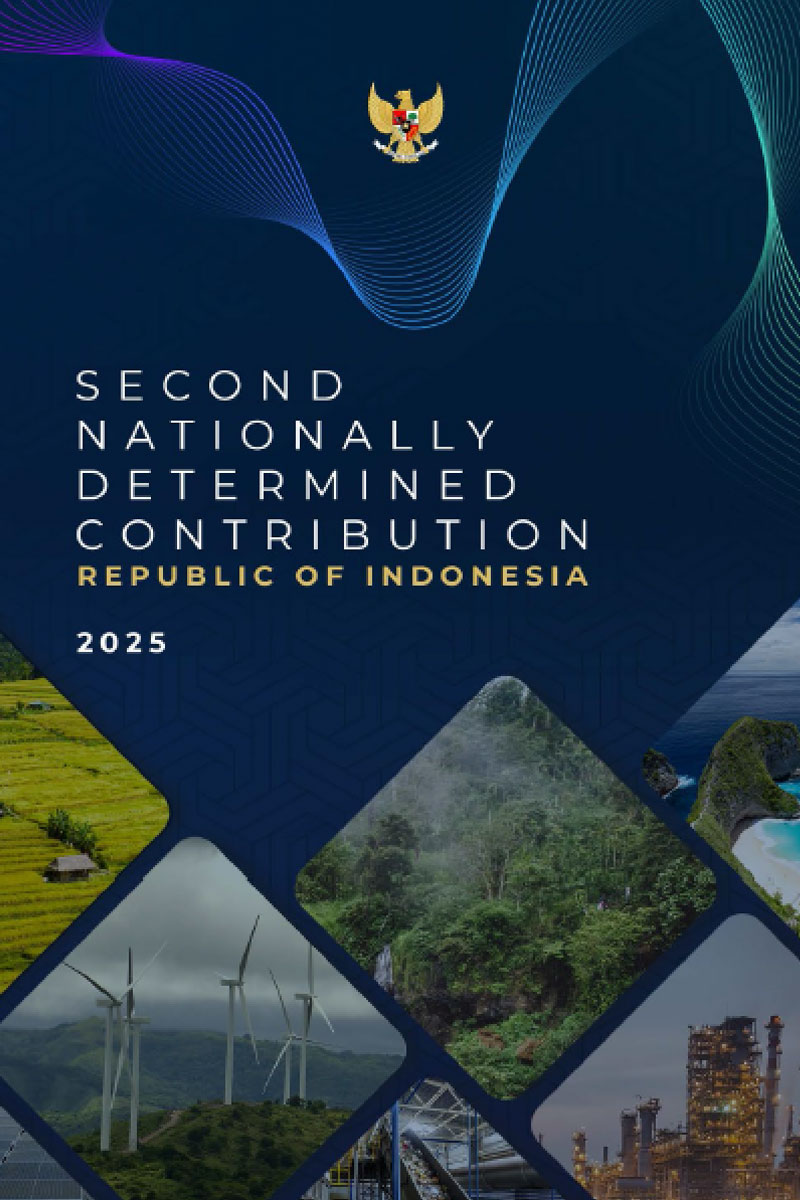
Second Nationally Determined Contribution (SNDC) 2025 Republic of Indonesia

Indonesia’s Second Nationally Determined Contribution (SNDC), submitted in October 2025, sets a new national emission target, aiming to peak emissions by 2030 and reach Net Zero by 2060 or sooner. It maintains 31.89% unconditional and 43.20% conditional reduction targets by 2030, focusing on forestry for carbon balance and committing to a 70-72% renewable energy share by 2060. The transition requires an estimated $472.6 billion investment by 2035.

Read More »

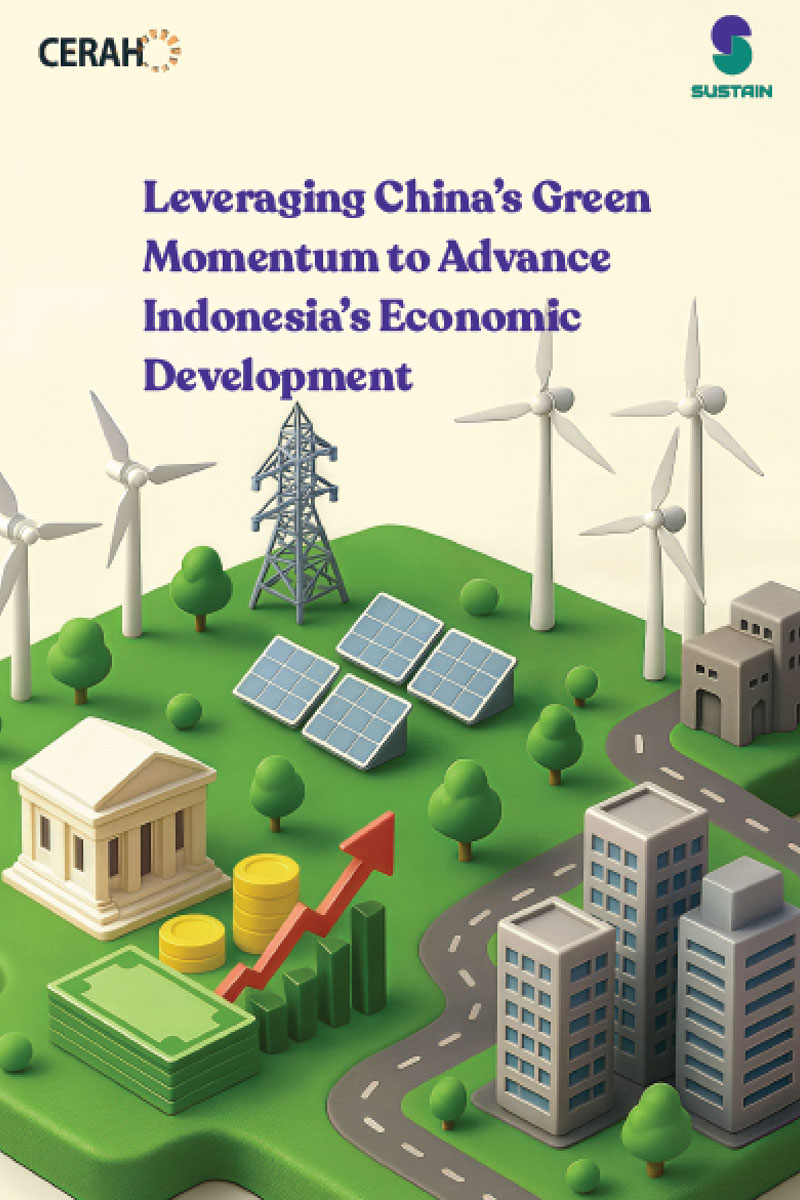
Leveraging China’s Green Momentum to Advance Indonesia’s Economic Development

According to the study by Yayasan Kesejahteraan Berkelanjutan Indonesia (SUSTAIN) and Yayasan Indonesia Cerah, Indonesia aims for 100% renewable energy by 2035 and needs foreign capital to reach its goals. China is redirecting its $900 million annual investment from coal to Indonesian renewables. By localizing this funding, Indonesia can generate $9 billion, create 112,000 jobs, and build 15.3 GWp of solar capacity, driving a sustainable economic transformation.

Read More »